|
Pre-Award and Research Development |
January 16, 2026 |
|
|
|
|
|
|
|
|
|
|
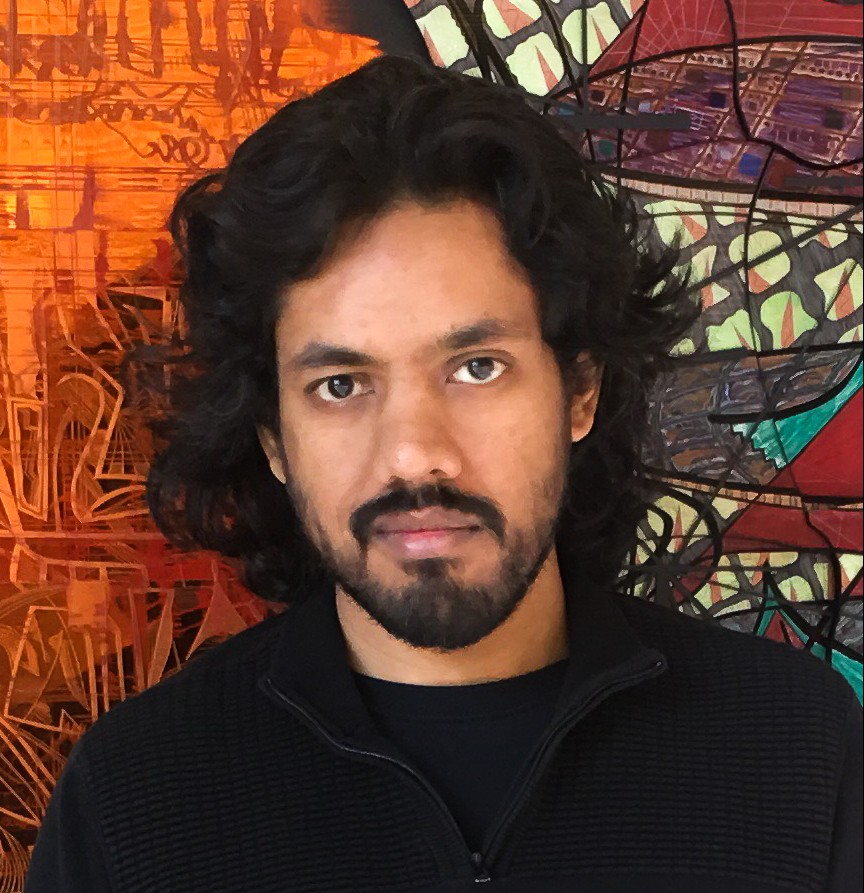
Congratulations, Dr. Gadagkar!
Dr. Vikram Gadagkar won the Society for Social Neuroscience's Early Career Award for his work on how the brain evaluates behaviors, both self-generated and the behaviors of others. |
|
|
Congratulations, Dr. Zuker!
Dr. Charles Zuker received a Bill and Melinda Gates Foundation Grant to investigate "Drug targets for gut-brain sensing and recovery from malnourishment". |
|
|
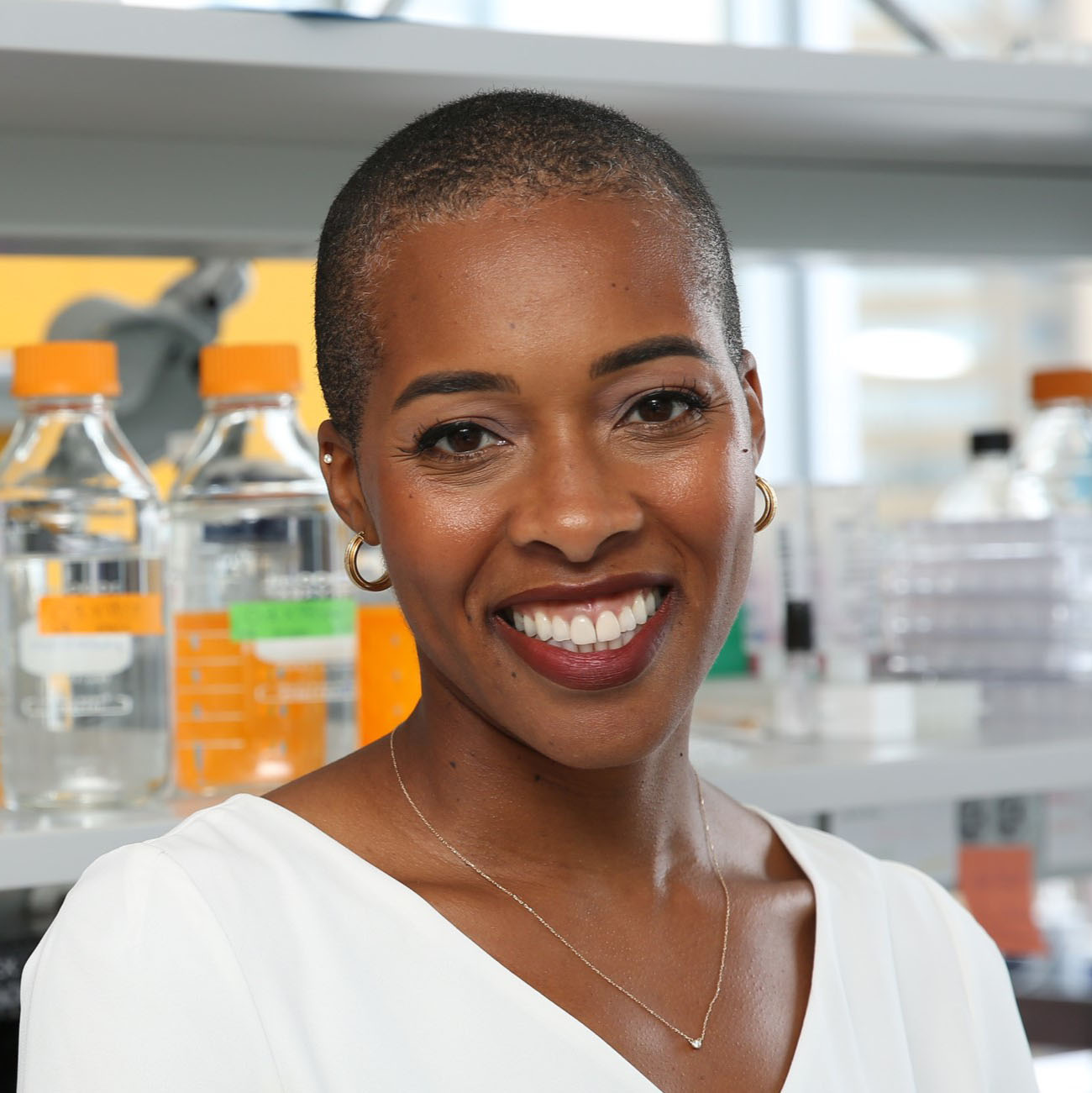
Congratulations, Dr. Marlin!
Dr. Bianca Jones Marlin, co-investigator with contact PI Rainbo Hultman at the University of Iowa, received the NIH Transformative R01 to study "Networking the parental brain: Transformation of brain-wide electrical networks". |
|
|
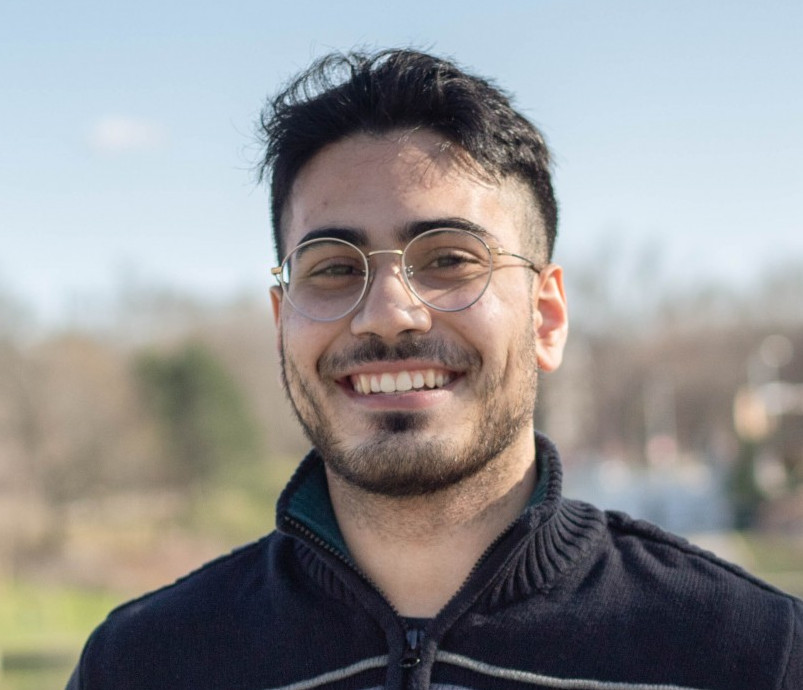
Congratulations, Nathan Nadler!
Nathan Nadler (Gadagkar Lab) won an NIH F31 to support his dissertation project "In search of the template: the neural substrate of birdsong memory". |
|
|
|
|
Weekly Office Hours
Every Thursday, 2:00-3:00 pm:
Meet the team and ask any questions during office hours.
Click here to join the Zoom meeting. |
|
|
|
|
Schedule time to meet with the team |
|
|
|
|
|
|
Congratulations to our recent award recipients!October 18, 2025 - January 16, 2026 |
|
|
|
|
Graduate Student Awards |
Nathan Nadler: NIH/NINDS F31 NS147862-01 "In search of the template: the neural substrate of birdsong memory" (Gadagkar Lab) |
Early Career Investigator Awards |
Bianca Jones Marlin: NIH/OD/NICHD Transformative R01 HD121993-01 (as co-Investigator) "Networking the parental brain: Transformation of brain-wide electrical networks" (with Contact PI Rainbo Hultman) |
Established Investigator Awards |
Charles Zuker: Bill and Melinda Gates Foundation Grant "Drug targets for gut-brain sensing and recovery from malnourishment". |
|
|
|
|
Upcoming funding opportunities |
|
|
|
|
Team Grants |
Want to write a large, multi-investigator grant? Come talk to us about planning and executing team grant applications. Schedule a meeting with our team here!
New/Highlighted Team Grant Opportunities
- Forecasted: BRAIN Initiative RM1: Integrative Team-Research BRAIN Circuits Program - iTeamBCP. To understand how the nervous system, from its individual components to its unified whole, gives rise to mental experience and behavior. Applications must connect these 3 levels of analysis: (1) rich large-scale information about circuit components (e.g., cell types, connectivity), (2) in vivo CNS recordings at cellular and sub-second and temporal resolution, (3) along with analyses of a tractable behavior of an organism or a well-defined neural system. Estimated Application Due Date: June 16, 2026
- Forecasted: NINDS RM1: Collaborative Opportunities for Multiple-disciplinary, Bold, and Innovative Neuroscience (COMBINE). To pursue a single focused goal to overcome persistent barriers, challenge orthodoxies, achieve paradigm-shifts, or develop new foundational principles in neuroscience. Estimated Application Due Date: June 23, 2026
|
|
|
NIH's Highlighted Topics Relevant to ZI Investigators |
|
|
|
|
Established Investigators (view full list on our website) |
|
|
New/Highlighted Funding Opportunities
- BRAIN Initiative R01: New Technologies and Novel Approaches for Recording and Modulation in the Nervous System. Applications for proof-of-concept testing and development of new technologies and novel approaches for recording and modulation of neural cells and circuits, to address major challenges and enable transformative understanding of dynamic signaling in the central nervous system. January 20, 2026
- BRAIN Initiative R01: Development and Validation of Novel Tools to Probe Cell-Specific and Circuit-Specific Processes in the Brain. For research that will develop and validate novel tools to facilitate the detailed analysis of complex circuits and provide insights into cellular interactions that underlie brain function. June 8 2026, February 8 2027
- BRAIN Initiative R21: New Concepts and Early-Stage Research for Recording and Modulation in the Nervous System. For unique and innovative recording and/or modulation technologies that are in the earliest stage of development, including new and untested ideas that are in the initial stages of conceptualization. June 15, 2026
- BRAIN Initiative R01: Theories, Models and Methods for Analysis of Complex Data from the Brain. For the development of computational tools (theories, models, methods) for understanding dynamic brain circuits, which will be made broadly accessible to the greater research community. October 6 2026
Upcoming Funding Opportunities
- NIH Parent R01: New: February 5, June 5, October 5; Renewal/Resubmission: March 5, July 5, November 5
- NIH Parent R21: New: February 5, June 5, October 5; Renewal/Resubmission: March 16, July 16, November 16
|
|
|
Early Career Investigators (view full list and timeline on our website) |
|
|
- Katz Early Stage Investigator Research Project Grant (R01): Supports an innovative project that represents a change in research direction for an early stage investigator (ESI) and for which no preliminary data exist. January 27, May 27, September 28
- Klingenstein Fellowship Awards in Neuroscience: Must be in a tenure-track position and have a maximum of four years between the completion of last postdoc and the application deadline. February 1 2026
Science and PINS Prize: Eligible if advanced degree awarded within 10 years and 45 years old or younger. For essay describing research and its implications for neuromodulation. March 15 Pew Biomedical Scholars Program: Can only apply twice; Applicants with recent breakthrough publication are favored; Must spent at least 80% of time on your overall research goals. Call for submissions expected: Early – Mid March. Internal application: Early April |
|
|
|
Post-Docs (view full list and timeline on our website) |
Burroughs Wellcome Fund Postdoctoral Diversity Enrichment Program: To support the career development activities for postdoctoral fellows who have demonstrated a commitment to promoting equal access and opportunity. Must be a U.S. or Canadian citizen; must have no more than 48 months of postdoctoral research experience at the time of application and not be more than 5 years from Ph.D. Must be within an underrepresented group. January 20 Rita Levi Montalcini Scholarship: Students or postdocs of all nationalities who have been admitted to a master’s, PhD, or postdoctoral program at a U.S. university, studying neuroscience/neurobiology. January 31 Regeneron Prize for Creative Innovation. For graduate students and/or postdocs. Applications include: Dream Project Research Proposal; PDFs of publications by the candidate; among other components. Morningside internal competition -- 9:00 am February 2. VP&S (CUIMC) Internal competition -- February 2. Jane Coffin Childs Postdoctoral Fellowship: Should have no more than 18 months of postdoctoral research experience at the time of the application deadline; Ph.D. degree must not have been conferred more than 24 months prior to the application deadline. February 2 Revson Foundation Biomedical Research Program: Must be third or fourth year postdoc. Goal of grant is to strengthen basic research in the biomedical sciences. Internal application: 9:00 am February 3 Science and PINS Prize: Eligible if advanced degree awarded within 10 years and 45 years old or younger. For essay describing research and its implications for neuromodulation. March 15 - NIH F32 NRSA Individual Postdoctoral Fellowship
- NIH K99/R00 Pathway to Independence (1-2 years of postdoc + 3 years of faculty funding)
NIH Parent K99/R00: Transition to faculty. International applicants eligible. 3rd - 4th year postdocs. New: February 12, June 12, October 12. Resubmission: November 12, March 12, July 12
- NIH K01 Career Development Award
NIH Parent K01: 2nd - 5+ year postdocs. New: February 12, June 12, October 12. Resubmission: November 12, March 12, July 12
*Check with us regarding eligibility window extensions for NIH grants |
|
|
Graduate Students (view full list and timeline on our website) |
|
|
Rita Levi Montalcini Scholarship: Students or postdocs of all nationalities who have been admitted to a master’s, PhD, or postdoctoral program at a U.S. university, studying neuroscience/neurobiology. January 31 Regeneron Prize for Creative Innovation. For graduate students and/or postdocs. Applications include: Dream Project Research Proposal; PDFs of publications by the candidate; among other components. Morningside internal competition -- February 2 9:00am. VP&S (CUIMC) Internal competition -- February 2. - NIH F31: For U.S. citizens/permanent residents. April 8, August 8, December 8
- NIH F99/K00 Pre-doc to post-doc transition award
- Forecasted: NIH/NIA Transition to Aging Research for Predoctoral Students F99/K00. must be a U.S. citizen/permanent resident OR non-U.S. citizen with a valid U.S. visa; for grad students with 1.5-2 years left of PhD (typically 3rd or 4th year students). Estimated Application Due Date: February 17, 2026
- Forecasted: NIH Blueprint and BRAIN Initiative ACTION Potential F99/K00: To support a defined pathway across career stages for skilled neuroscience graduate students performing neuroscience research within the missions of the NIH Blueprint and/or BRAIN Initiative. For grad students with 1.5-2 years left of PhD (typically 3rd or 4th year students). Estimated Application Due Date: March 20, 2026
|
|
|
|
The Future in Mind
The Zuckerman Institute Friday Funding monthly email recaps the latest award wins of our researchers and outlines important upcoming grant deadlines.
|
|
|
|
|
|
|