|
Pre-Award and Research Development |
April 17, 2026 |
|
|
|
|
|
|
|
|
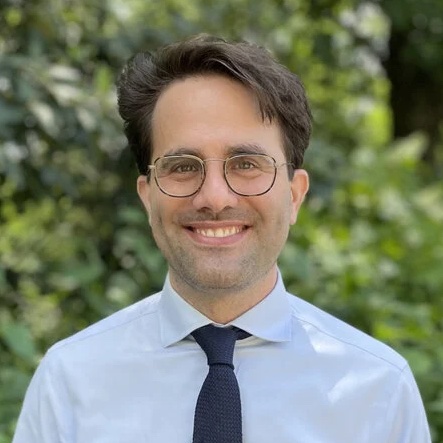
Congratulations, Dr. Yap!
Dr. Lynn Yap (Axel Lab) received an NIH/NIMH K99/R00 award to investigate "Cellular and circuit mechanisms underlying the generation, regulation, and flexibility of value representations in mouse medial prefrontal cortex." |
|
|
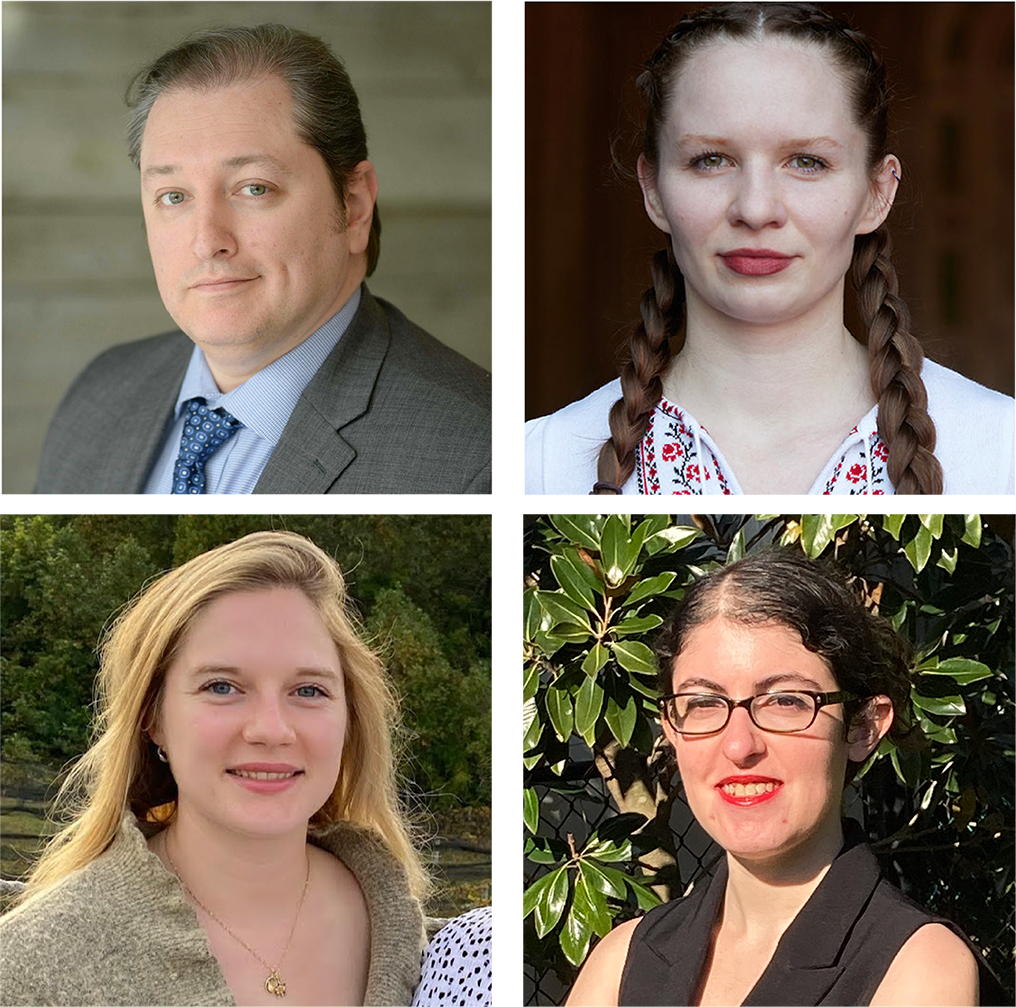
Congratulations, Dr. Greene!
Dr. Joshua Greene (Costa and Bendesky Labs) received an NIH/NCCIH K08 award to study "Molecular and Functional Characterization of Cortical Circuits Regulating the Adrenal Medulla During Stress." |
|
|
|
|
Weekly Office Hours
Every Thursday, 2:00-3:00 pm:
Meet the team and ask any questions during office hours.
Click here to join the Zoom meeting. |
|
|
|
|
Schedule time to meet with the team |
|
|
|
|
|
|
Congratulations to our recent award recipients!March 21 - April 17, 2026 |
|
|
|
|
Postdoc Awards |
Joshua Greene: NIH/NCCIH 1K08AT013354-01A1 "Molecular and Functional Characterization of Cortical Circuits Regulating the Adrenal Medulla During Stress." (Costa and Bendesky Labs) Lynn Yap: NIH/NIMH 1K99MH142674-01 "Cellular and circuit mechanisms underlying the generation, regulation, and flexibility of value representations in mouse medial prefrontal cortex" (Axel Lab) |
|
|
|
|
Upcoming funding opportunities |
|
|
|
|
Team Grants |
Want to write a large, multi-investigator grant? Come talk to us about planning and executing team grant applications. Schedule a meeting with our team here!
New/Highlighted Team Grant Opportunities
- Google.org Impact Challenge: AI for Science. For accelerating scientific breakthroughs with the power of AI. Relevant focus area: AI for Health & Life Sciences - Neuroscience & the Brain. AI-driven projects to investigate the brain. Projects should contribute advances to our fundamental understanding of the neural mechanics that give rise to cognitive functions like memory and learning. This includes work that leverages AI as a new modality to answer fundamental, previously unanswerable questions about how the brain works. May 1, 2026.
- Forecasted: BRAIN Initiative RM1: Integrative Team-Research BRAIN Circuits Program - iTeamBCP. To understand how the nervous system, from its individual components to its unified whole, gives rise to mental experience and behavior. Applications must connect these 3 levels of analysis: (1) rich large-scale information about circuit components (e.g., cell types, connectivity), (2) in vivo CNS recordings at cellular and sub-second and temporal resolution, (3) along with analyses of a tractable behavior of an organism or a well-defined neural system. Estimated Application Due Date: June 16, 2026
- Forecasted: NINDS RM1: Collaborative Opportunities for Multiple-disciplinary, Bold, and Innovative Neuroscience (COMBINE). To pursue a single focused goal to overcome persistent barriers, challenge orthodoxies, achieve paradigm-shifts, or develop new foundational principles in neuroscience. Estimated Application Due Date: June 23, 2026
|
|
|
NIH's Highlighted Topics Relevant to ZI Investigators |
|
|
|
|
Established Investigators (view full list on our website) |
|
|
New/Highlighted Funding Opportunities
BRAIN Initiative R21: New Concepts and Early-Stage Research for Recording and Modulation in the Nervous System. For unique and innovative recording and/or modulation technologies that are in the earliest stage of development, including new and untested ideas that are in the initial stages of conceptualization. June 15, 2026 BRAIN Initiative R01: Theories, Models and Methods for Analysis of Complex Data from the Brain. For the development of computational tools (theories, models, methods) for understanding dynamic brain circuits, which will be made broadly accessible to the greater research community. October 6 2026 Forecasted: BRAIN Initiative Brain-Behavior Quantification and Synchronization – Transformative Research on Behavior at the Organismal Level (BBQS). Anticipated deadline: October 13, 2026 Forecasted NIH Small Grant: Building Sustainable Software Tools for Open Science (R03). Anticipated deadline: June 16, 2026 Upcoming Funding Opportunities
- NIH Parent R01: New: June 5, October 5, February 5; Renewal/Resubmission: March 5, July 5, November 5
- NIH Parent R21: New: June 16, October 16, February 16; Renewal/Resubmission: March 16, July 16, November 16
|
|
|
Early Career Investigators (view full list and timeline on our website) |
|
|
|
|
|
Post-Docs (view full list and timeline on our website) |
- Helen Hay Whitney Foundation Postdoctoral Research Fellowship: For postdocs doing basic biomedical research; eligible within first year of postdoc. June 15
- NIH F32 NRSA Individual Postdoctoral Fellowship
- NIH K99/R00 Pathway to Independence (1-2 years of postdoc + 3 years of faculty funding)
NIH Parent K99/R00: Transition to faculty. International applicants eligible. 3rd - 4th year postdocs. New: June 12, October 12, February 12. Resubmission: March 12, July 12, November 12
- NIH K01 Career Development Award
NIH Parent K01: 2nd - 5+ year postdocs. New: June 12, October 12, February 12. Resubmission: March 12, July 12, November 12.
NSF Postdoctoral Research Fellowships in Biology (PRFB): Intersection of Artificial Intelligence and Biological Sciences to Strengthen and Safeguard Biotechnology Innovations. US citizen or permanent resident; Must not have worked in any position that requires a doctoral degree for a combined total of more than 15 full-time months prior to the deadline; limited to a maximum of two submissions, regardless of the outcome. September 29, 2026 *Check with us regarding eligibility window extensions for NIH grants |
|
|
Graduate Students (view full list and timeline on our website) |
|
|
- NIH F31: For U.S. citizens/permanent residents. August 8, December 8, April 8
- NIH F99/K00 Pre-doc to post-doc transition award
- Forecasted: NIH/NIA Transition to Aging Research for Predoctoral Students F99/K00. must be a U.S. citizen/permanent resident OR non-U.S. citizen with a valid U.S. visa; for grad students with 1.5-2 years left of PhD (typically 3rd or 4th year students).
- Forecasted: NIH Blueprint and BRAIN Initiative ACTION Potential F99/K00: To support a defined pathway across career stages for skilled neuroscience graduate students performing neuroscience research within the missions of the NIH Blueprint and/or BRAIN Initiative. For grad students with 1.5-2 years left of PhD (typically 3rd or 4th year students). Must be a U.S. citizen/permanent resident
|
|
|
|
The Future in Mind
The Zuckerman Institute Friday Funding monthly email recaps the latest award wins of our researchers and outlines important upcoming grant deadlines.
|
|
|
|
|
|
|